
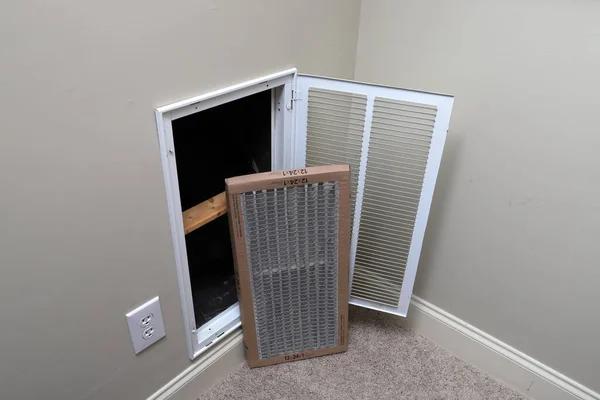
The Latest Technology HVAC Contractors Are Using
HVAC contractors are continually adapting to the latest technological advancements to provide more efficient and reliable services. These technologies have not only revolutionized how HVAC systems operate but also significantly improved the way HVAC contractors perform their tasks, from installation, maintenance, to repair.
One of the most notable advancements in HVAC technology is smart thermostats. This device allows homeowners to control their heating and cooling systems remotely using a smartphone or computer. They can adjust temperatures based on occupancy schedules and even monitor energy consumption in real-time. By providing detailed energy usage reports, smart thermostats help homeowners make informed decisions about their energy use, ultimately leading click to learn more significant cost savings.
Another transformative technology that has gained traction among HVAC contractors is Building Information Modeling (BIM). BIM software enables contractors to create digital representations of buildings’ physical and functional characteristics. It provides a comprehensive view of the building’s infrastructure, including its HVAC system, allowing for better planning and coordination during installation or renovation projects.
Drones are also making a significant impact on how HVAC technicians conduct inspections. Instead of manually inspecting hard-to-reach areas like rooftops or tall buildings, drones equipped with high-definition cameras can capture detailed images from above safely and efficiently. This not only saves time but also eliminates potential safety risks associated with manual inspections.
The Internet of Things (IoT) has brought about significant changes as well in the way we manage our heating and cooling systems. IoT-enabled devices can communicate with each other over an internet connection without human intervention—this means your air conditioner could automatically adjust its settings based on weather forecasts or switch off when no one’s home, optimizing efficiency while reducing energy costs.
In addition to these innovations, augmented reality (AR) is starting to make waves in the industry too by aiding training processes for new technicians. AR overlays digital information onto real-world environments—this helps trainees visualize complex procedures before performing them on actual equipment.
Lastly, artificial intelligence (AI) is also being integrated into HVAC systems. AI can analyze patterns in energy usage, predict potential system failures, and suggest preventative maintenance schedules. This technology not only improves the efficiency of HVAC systems but also extends their lifespan by preventing unnecessary wear and tear.
In conclusion, the latest technologies utilized by HVAC contractors are revolutionizing the industry. They’re enhancing service delivery, improving energy efficiency, and making homes more comfortable than ever before. As these technologies continue to evolve, we can expect even more significant advancements that will further enhance how we heat and cool our homes.